Creating an inviting and functional living space relies greatly on the art of furniture arrangement. This subtle yet impactful craft can transform your home into a harmonious and efficient environment. Here are some insightful tips to help you master the placement of your furniture across different rooms, enhancing both aesthetics and practicality.
The Living Room
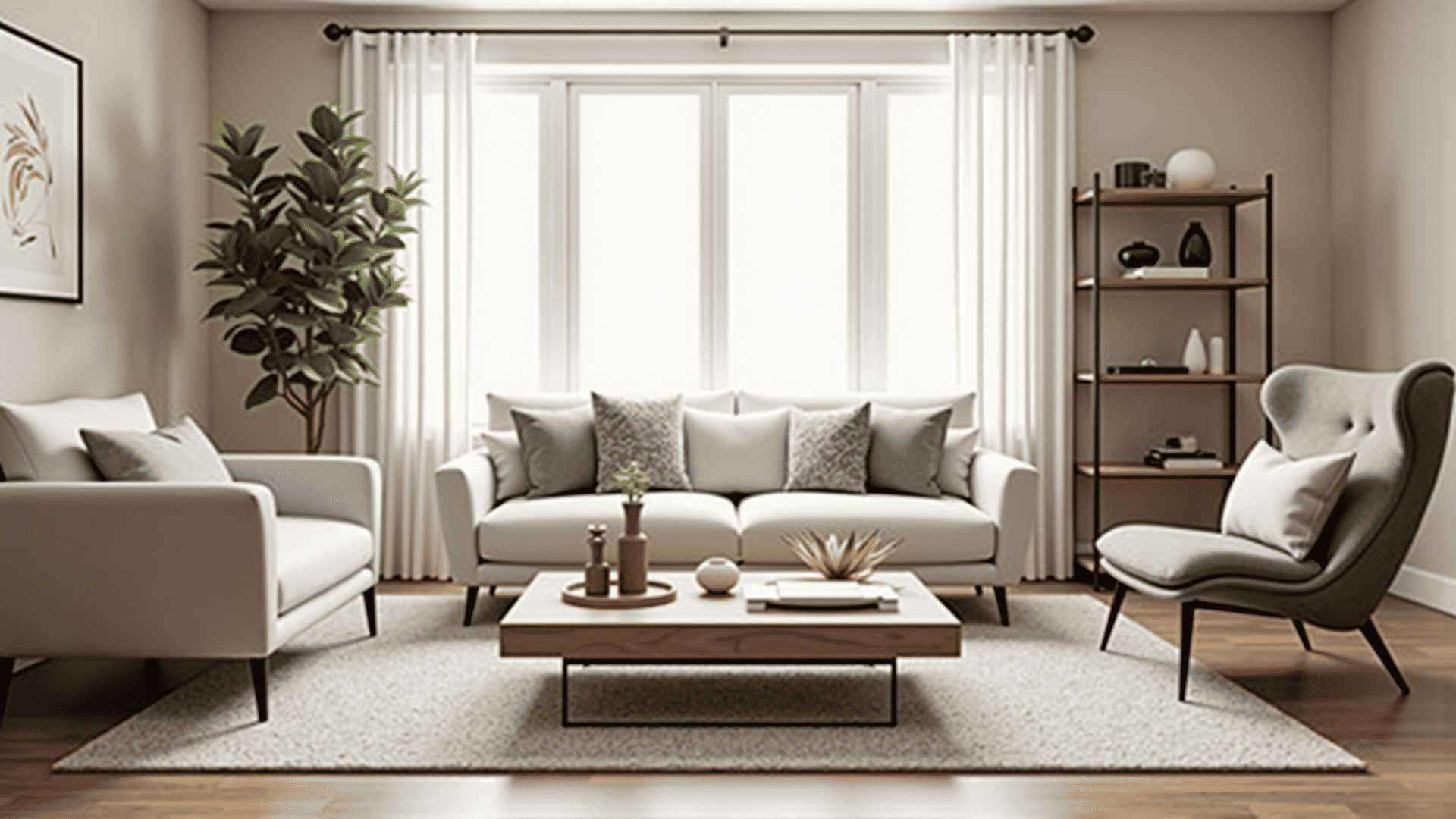
The living room serves as a central hub for relaxation and entertainment. Begin by identifying a focal point – this could be a fireplace, a large window, or a piece of art. Arrange your seating to complement this point, ensuring that communication and comfort are prioritized. Place sofas and chairs to facilitate easy conversation, keeping pathways clear and maintaining balance. Consider using area rugs to define spaces, anchoring the furniture and adding warmth to the room.
The Dining Room
In the dining room, functionality is key. Start by centering the dining table in relation to the room's dimensions, ensuring there is enough space around it for movement. The chairs should fit comfortably under the table and be easy to pull out. If space allows, consider a sideboard or buffet against a wall for both storage and serving extensions. Good lighting above the table enhances both ambiance and practicality, creating a cozy dining atmosphere.
The Bedroom
For the bedroom, the bed is the primary element. Position it so that it's easily accessible and ideally against a solid wall for added support and balance. Bedside tables should flank the head of the bed, providing convenient surfaces for lamps and personal items. Maximizing natural light can elevate the space; thus, keep larger furniture like dressers away from windows. Utilize under-bed storage to maintain a clutter-free environment.
The Home Office
In a home office, efficiency and ergonomics are paramount. Place your desk in a location that benefits from natural light, such as near a window, to minimize eye strain. Ensure that your seating allows for good posture and reachability of essential items. Bookshelves and filing cabinets should be easily accessible yet not obstructive to movement within the space. Personal touches like plants or art can add character without distracting from work tasks.
The Kitchen
Optimizing a kitchen involves both creative and practical considerations. Place key components, such as the sink, stove, and refrigerator, in a triangular layout for ease of movement. Consider multifunctional furniture like bar stools at a counter, providing both seating and an additional work area. Open shelves can make frequently used items easily accessible while maintaining airflow and openness in the space.
By understanding and applying these furniture arrangement principles, you can create an environment that is both beautiful and functional. Paying attention to flow, proportion, and usability allows every room to serve its purpose while appealing to your personal taste, ultimately enhancing your home's overall livability.