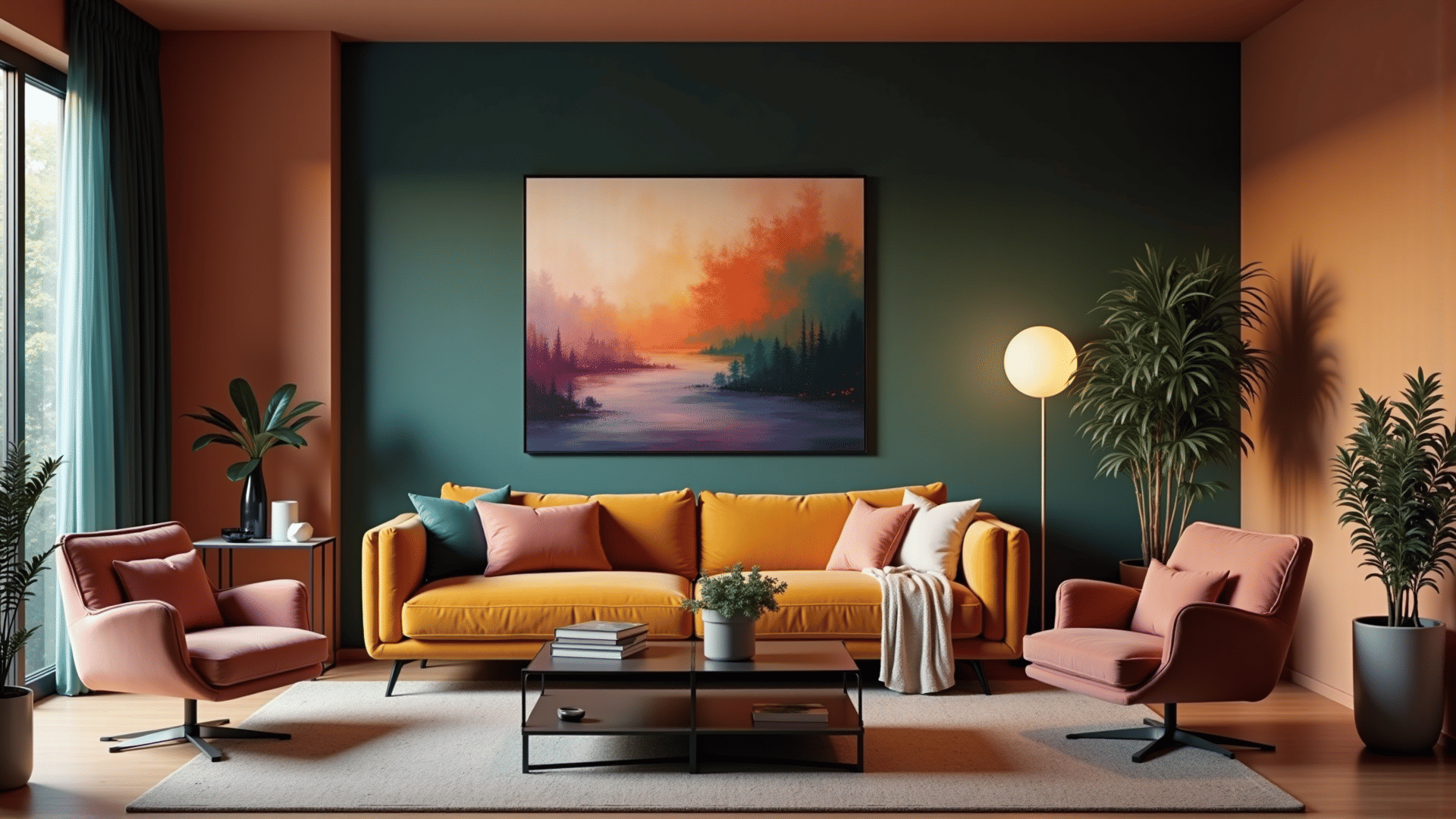
Color holds a powerful influence over our surroundings and can significantly transform the ambiance of any living space. Whether you're looking to invigorate a room or create a calm retreat, selecting the right hues can work wonders for the feel and mood of your environment. Understanding the psychological impact of colors and harnessing this knowledge to select a cohesive palette can be the key to striking balance and harmony in your home.
The Psychological Impact of Colors
Each color evokes distinct emotions and sensations, affecting our mood and perception. Here's a breakdown of how different colors influence our spaces:
-
Red: Often associated with energy and passion, red can invigorate spaces and stimulate conversation, making it ideal for dining or living rooms. However, excessive use can be overwhelming, so consider it as an accent color.
-
Blue: Known for its calming and serene qualities, blue is perfect for spaces intended for relaxation, such as bedrooms or bathrooms. It can also enhance focus, making it suitable for a home office.
-
Green: Symbolizing nature and balance, green brings a refreshing vibe ideal for almost any room. Its versatility can create both a calming atmosphere in a bedroom or a lively kitchen environment.
-
Yellow: Bright and cheerful, yellow can energize a space and bring a sense of warmth and joy. Great for kitchens and dining areas, it encourages optimism and creativity.
-
Purple: Often linked to luxury and creativity, purple can add a touch of elegance. A light lavender can soothe a bedroom, while a rich plum might add sophistication to a living room.
-
Neutral Tones: Whites, grays, and beiges act as versatile backdrops, adding a sense of spaciousness and tranquility. These colors are perfect for any room, providing a clean slate for other elements to pop.
Selecting a Cohesive Palette
Choosing the right color palette is not just about personal preference; it involves considering the entire mood you wish to create in your space. Here are some tips for selecting the right colors:
-
Start with a Dominant Color: Choose a base shade for your room that reflects the mood you want to evoke. For instance, pick a soothing blue for a peaceful retreat.
-
Incorporate Secondary Colors: Add complementary colors that harmonize with your dominant color. This ensures cohesion and balance, providing interest without overpowering.
-
Utilize Accents: Introduce vibrant or bold colors through accessories and smaller elements like cushions, artwork, or rugs. These accents can refresh your space without a dramatic change in paint or furniture.
-
Consider Lighting: Natural and artificial light can alter the perception of color. Test paint samples at different times of the day to see how light influences the shades.
-
Create Flow Between Rooms: Use a consistent palette to ensure that each room transitions smoothly into the next. Shared colors in adjoining rooms can create a seamless and open feel.
Final Thoughts
Mastering the art of color can be transformative, offering a subtle yet impactful way to enhance and define a space. By thoughtfully selecting hues that resonate with your desired ambiance, you create not just a room, but an experience. Embrace the power of color to bring harmony and individuality into your home, ensuring each space aligns with your personal style and needs.